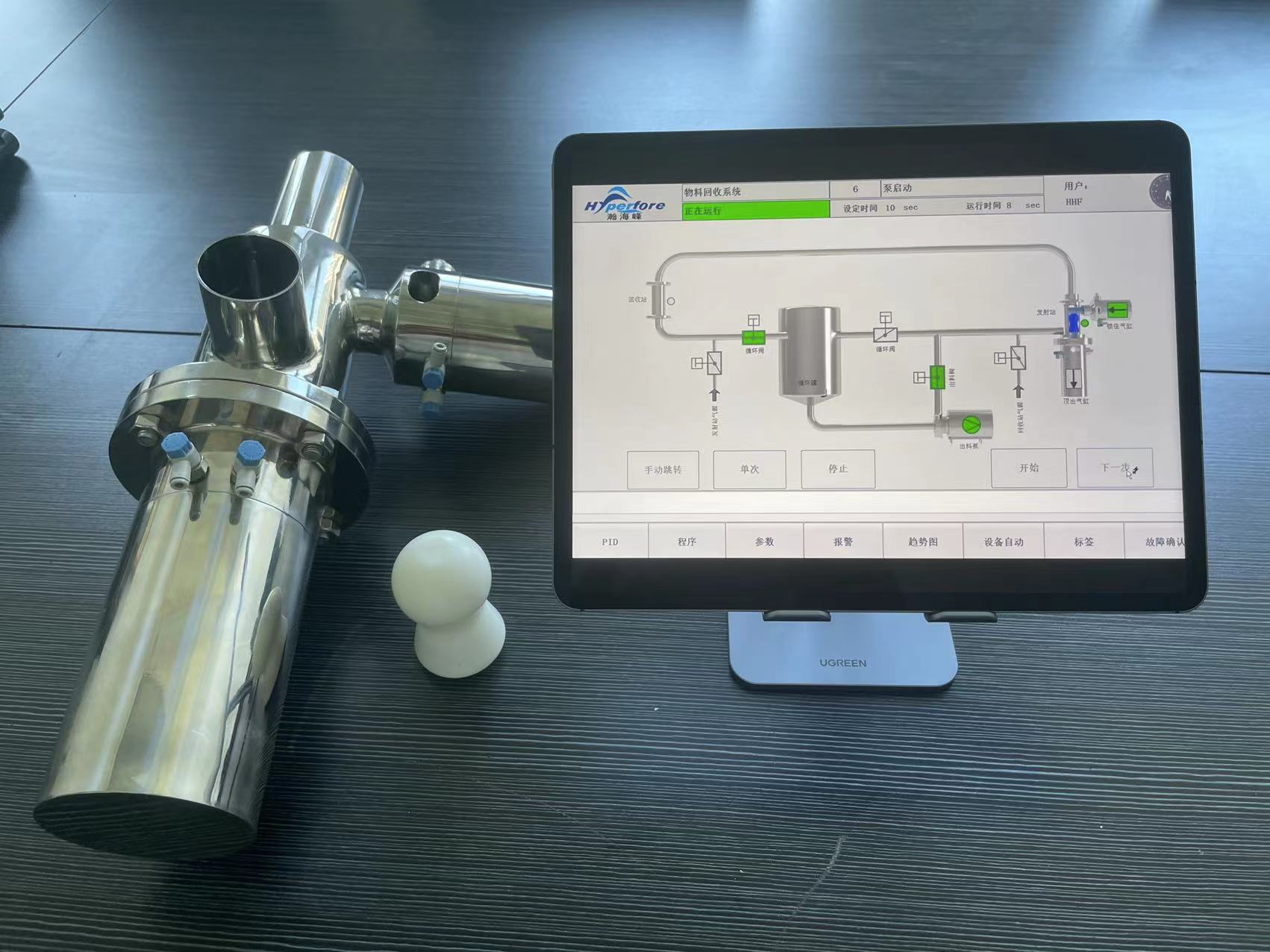
Launching state-of-the-art milk-producing enterprises persistently utilizing channel cleaning systems to advance competence and reduce discard in their milk product handling networks. This outline unpacks the core principles of conduit cleaning, including everything from the kinds of cleaners to foremost practices for deployment and management. Understanding pigging system for dairy these details is critical for ensuring stable product grade and controlling operational budget.
Enhancing Cheese Operations with Duct Cleaning Devices
Leading dairy production plants encounter increasing requirements to enhance effectiveness and limit breakage. Pigging techniques, a trusted technique borrowed from the fuel industry, is speedily gaining favor as a dynamic solution for transforming dairy systems. This innovative approach utilizes a bendable device, the "pig," to flush product build-up from passages and receptacles, effectively mitigating product damage and amplifying full harvest. Beyond mere decontamination, pigging also substantially reduces operational expenses by minimizing the need for high-temperature hydration cleansing cycles and upholding steady product standard.
- Reduces Product Diminution
- Augments Harvest
- Reduces Utility Costs
- Continues Constant Product Caliber
related to the dairy farm farms: Productivity and Hygiene
Incorporating pigging techniques offers a crucial plus for state-of-the-art dairy businesses. These advanced applications successfully eliminate residual traces from pipes, lessening waste and increasing overall efficiency. Moreover, diligent decontamination standards integrated with line cleaning enhance first-rate milk quality and lower the possibility of biofilm formation – at last adding to a improved and healthier manufacturing.
Positive outcomes of Dairy Pigging: Diminishing Loss and Halt Time
Dairy line flushing offer meaningful positives for units, primarily by cutting down liquid wastage and truncating operational interruptions. Customarily, cleaning transfer systems involved intense flushing, leading to large milk-based fluid debris. Pigging methods, however, delicately propels a gadget through the tube, removing residual dairy liquids which can be recycled and returned back into the operation cycle. This also curtails spoilage but also curtails the term required for upkeep, ultimately amplifying overall output and income for the venture.
Cream Transport Pigging Engineering
The implementation of a cheese pigging apparatus requires exact planning considerations. Primarily, a thorough inspection of the functioning pipeline configuration and dairy flow features is required. Afterwards, the pig selection – which includes a segment or globe rinsing unit – must be confirmed based on aspects such as pipe bore, milk consistency, and necessary disinfection capability. Besides, embedding with the unit’s existing guidance structures is indispensable for optimal process and dynamic inspection. In the end, the procedure should be engineered for convenient reparation and lasting trustworthiness.
Choosing the Best Flushing Process for Your Dairy Plant
Identifying the leading washing approach for a lactose plant is a major determination. Factors to examine incorporate the magnitude of your pipes, the categories of cheese goods being treated, and the volume of soiling you’re planning to prevent. Various displacing strategies, like ring cleaners or spherical approaches, offer different efficiency and valuation profiles. A in-depth study of these variables will confirm you identify a pigging technique that maximizes product value and lessens downtime.
Conduit Cleaning - Raising Product and Reclaiming
The advanced strategy of line flushing is securing traction within the dairy sector field as a influential means of upgrading product value and optimizing recapture. This procedure utilizes a compliant conduit instrument to softly sanitize remaining lactose fluid from processing lines, due to this decreasing throwaway and considerably elevating the total merit of the finished cheese products. Furthermore, it delivers a renewable alternative to time-honored processes.
Handling Expected Difficulties in Milk-based Pigging Solutions
Challenges frequently manifest in dairy pigging processes, prompting expedient resolution. Standard anomolies involve stoppages within the apparatus, caused by calcium build-up or unrelated leftovers. Also, strength changes can demonstrate malfunctions with the motor or flushing system. In the end, unsatisfactory cleaning rate may produce unsatisfactory scrubbing, necessitating additional review and tuning.The Future of Dairy Processing
The changing landscape of dairy manufacture demands improved efficiency and higher product value. Advanced pigging approaches are manifesting as a major component in this metamorphosis, offering a significant advantage over traditional cleaning processes. These sophisticated tools are altering dairy facilities by minimizing milk loss, decreasing water expenditure, and enhancing overall sanitation. Envision the potential for green practices and cost savings through a detailed pigging adoption. Further advancement is focused on smart pigging protocols with real-time monitoring and prescient maintenance, supporting paramount performance and diminishing downtime.
- Cuts waste
- Elevates efficiency
- Facilitates sustainability