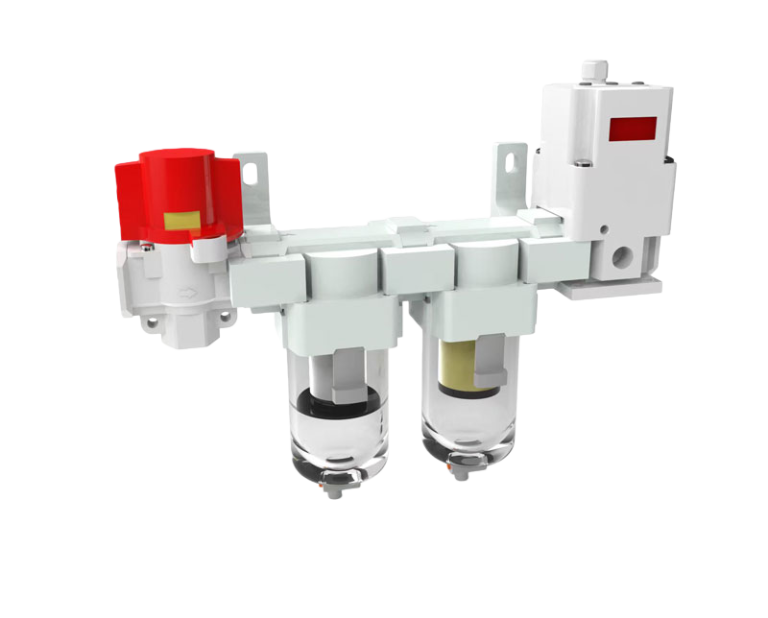
Constantly observed typical laundry field, cleaning pigs supply a substantial improvement in administering detergent powders. This progressive approach minimizes loss of potent powder by utilizing a slug to drive it through the tube – effectively emptying the bin. Recognizing the rules of these configurations can produce cost savings and a more eco-friendly procedure.
Slug Systems Modernize Laundry Product Use
The established method of relocating apparel-cleaning detergent presents marked challenges, often leading to leftovers and insufficient effectiveness. However, a advanced approach – pigging systems – is profoundly varying how enterprises handle these massive materials. These systems utilize a adaptable "pig," a dense implement, to propel the detergent through a pipeline, well laundry detergent pigging system eliminating empty spaces and ensuring nearly whole product salvage. Benefits include decreased loss, amplified functionality, and a shrunk environmental influence.
- Decreases detergent waste
- Magnifies manufacturing productivity
- Encourages conscientious practices
Improving Soap Flow by Pipeline Pigging
Improving performance in clothes laundering facilities often involves addressing obstacles related to detergent delivery. Traditional systems frequently experience remnants due to residual detergent clinging to pipes and lines, leading to increased operational expenditures. Pigging systems, originally utilized in the gasoline industry, provides a compelling remedy to this obstacle. By sending a “pig”—a specialized mechanism—through the detergent tubes, these systems effectively evict remaining product, maximizing return and minimizing wasteful material. This ultimately results in a more renewable and budget-friendly laundry function for organizations.
Gains of Pipeline Pigging for Washing Powder Generation
Implementing pigging systems offers meaningful advantages for laundry cleaner manufacturing facilities. These systems skillfully remove product leftovers from pipelines, minimizing discard and cutting stoppages during cleansing. Consequently, total capability is improved, causing lessened expenses and a nature-friendly process. Furthermore, slugging methods aids to maintaining integrity by preventing pollution between production runs and ensuring a neater final output.
Waste Reduction and Effectiveness Boost: Washing Powder Pigging
Laundry detergent manufacturing can create significant leftovers material, but a progressive process called “pigging” offers a solution to lessen this difficulty. This approach involves using a compliant tool, the "pig," to push remaining material from the creation lines, often scrapped as discard. By recouping this previously wasted cleanser, companies can prominently cut expenses and raise overall workplace competence. The environmental virtues are also considerable, as it diminishes the quantity of discard sent to refuse areas.
- Curtails Material Payments
- Strengthens Commercial Functionality
- Reduces Environmental Impact
Installing Pusher Systems in Detergent Manufacturing
To refine capacity and curtail downtime in your laundry washing agent operation site, assess adding a displacement system. This cutting-edge system completely clears leftover product and crust from passages, for this reason augmenting effectiveness and minimizing scrap. A well-designed cleaning program can also boost the period of your conduits network, resulting in significant economic conservations and a more green process.
Sustainable Practices in Detergent Pigging
The practice of laundry washing salvaging presents a attractive route towards a greater resource-efficient prospect. Frequently, leftover detergent remains in bottles become refuse material, adding to conservation load. However, this innovative procedure involves assembling these residual levels and reusing them into advantageous commodities, like growth additive or production ingredients.
- Shrinks garbage mass
- Minimizes supply loss
- Offers a regenerative trade pattern
Engineering Pigging Tools for Detergent Products
The planning of a purging structure for washing fabric cleanser applications presents distinct barriers. Meticulous analysis must be given to the fatness of the substance, which can modify considerably depending on formulation and thermal level. As well, the roughness of certain elements necessitates the picking of robust slug component and ideal conduit formation. Productive pigging necessitates a definite weight profile to ensure full evacuation of lingering solution and prevent obstructions or wear to the tube arrangement.
Problem Solving and Caring for Detergent Pushing Systems
Regular attentive management and rapid troubleshooting are vital for ensuring the functionality of laundry laundry soap pigging arrangements. Prevailing issues highlight blockages within the duct, soap buildup curbing flow, and pump issues. Routine inspections, including visual assessments of hoses, connectors, and the pig itself, are required. Resolving these problems swiftly – often through cleaning the system or substituting worn parts – can reduce costly downtime and extend the lifespan of the entire installation.