Beginning
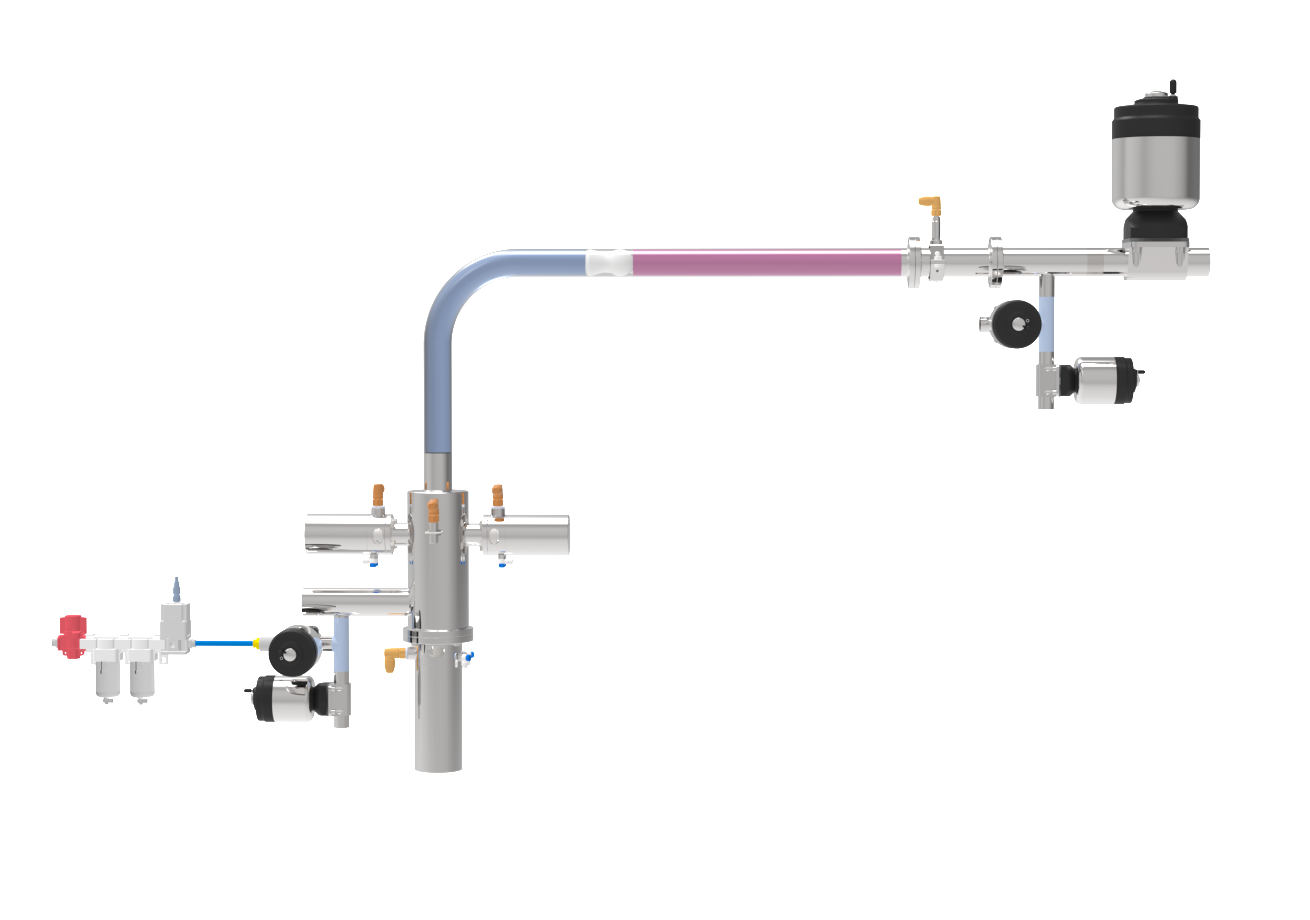
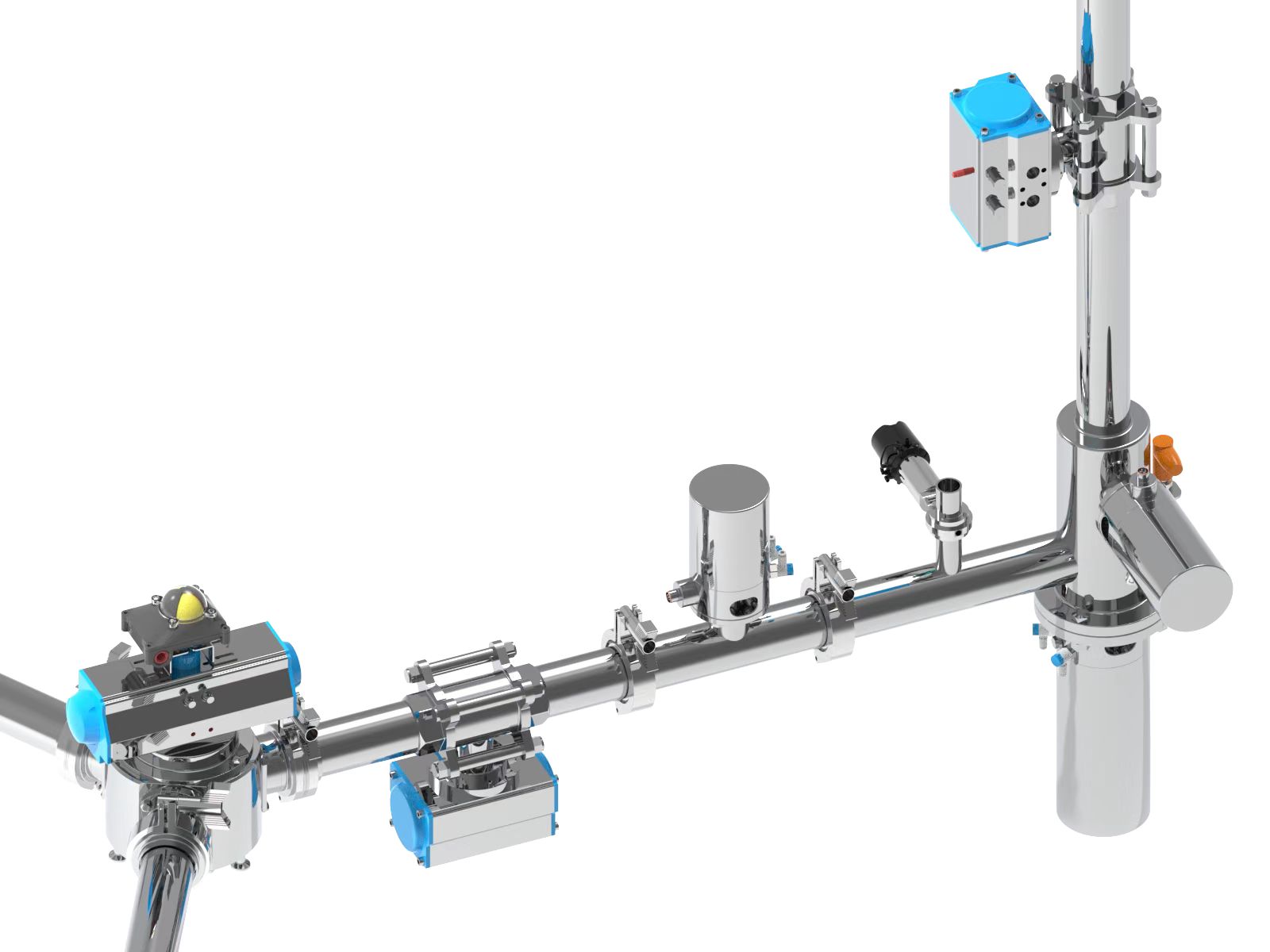
Electromechanical line cleaning equipment present a meaningful improvement over manual modes for retaining the health of tubes. These cutting-edge technologies modernize the function of propelling a "pig" – a exclusive device – through the channel to eliminate deposits like fouling, damage, and build-up. By curtailing downtime and maximizing production capability, automatic pigging processes exemplify a crucial asset for industries relying on duct transportation of materials.
Pristine Cleaning : Confirming Line Cleanness in Gastronomy Industry
Protecting impeccable sanitation within edible formulation facilities is vital, particularly when it comes to pipework used for carrying compounds. Sanitizing purging offers a powerful solution. This tailored technique involves inserting a unit – often a soft device – into the tube to eliminate deposits, including bacteria, and enhance complete hygiene. Benefits include mitigated threat of infection, boosted good safety, and amplified performance output. Points for practice include swab fabrication compatibility with the commodity and pipeline design.
- Mitigates degradation risk.
- Optimizes commodity value.
- Increases process yield.
Piping Innovations: Optimizing Effectiveness and Controlling Byproducts
Pigging systems offer a considerable advancement in duct execution for various businesses, particularly within the mining and processing sectors. By propelling a “pig,” a purpose-built instrument, through the arrangement, contaminants are cleaned out, recovering flow rate and reducing product shrinkage. This generates a lessened fee and a more resource-efficient approach to asset management.
A Future Concerning Pipelines: Examining Intelligent Pigging Processes
One trajectory within pipeline operation is significantly being shaped by automatic pigging mechanisms. Traditionally, pigging tasks have banked on staff-driven intervention, but the arrival concerning autonomous pigs promises superior efficiency, decreased downtime, and superior safety. These advanced systems employ sensors, figures, and algorithmic intelligence to explore pipelines autonomously, locating damage and delivering flushing tasks with extraordinary precision. Expecting widespread implementation, automatic pigging represents a key step heading to a more eco-friendly pipeline grid globally.
Pipeline Clearing vs. Physical Sanitation
Maintaining tube condition within the dairy industry presents a considered challenge. Historically, labor-intensive washing has been the standard method, relying on laborers to manually remove debris and filth. However, this approach is resource-heavy, prone to inconsistencies, and can be complex to fully validate. Process clearing, on the other hand, offers a cutting-edge alternative. This method utilizes a mechanism propelled through the pipe to clean deposits, providing a enhanced and consistent sterilization process. Key distinctions include:
- Charge: Laborious sterilizing often involves notable labor bills, while flushing has introductory investment minimized overall expenses.
- Productivity: Pigging commonly offers improved productivity compared to conventional techniques.
- Proof: Ensuring the detail of sanitation is clearer with pigging due to tracking capabilities.
- Harmlessness: Laborious cleansing can expose workers to risky conditions, whereas rinsing minimizes this exposure.
Executing an Automated Pigging Framework: Best Practices
Properly establishing an automatic pigging solution requires careful assessment and adherence to established best standards. To begin, carry out a extensive study of your conduit to discover the definitive obstacles requiring cleaning. This covers assessing the class of contaminant, the region of restrictions, and the existing shape of the hardware. Subsequently, appoint a pigging system suited for your specific operational necessities.
Besides, stress in-depth development for personnel participating in the cleaning routine. This has to include education on proper employment of the tools and grasp of unexpected strategies.
- Often survey the equipment and corresponding subsidiaries for defects.
- Initiate a resilient repair framework.
- Capture all scrubbing performance and linked statistics.
- Examine the consequence on line flow and product quality.
As a final point, steady scrutiny and fine-tuning of the management strategy are critical for maximizing functionality and enhancing the conduit’s serviceable service life.
Fixing Common Concerns in Pristine Flushing Networks
Practical execution of sanitary pigging frameworks often necessitates frequent fixing. Regularly, obstructions linked to plugging are seen, which can be cured through meticulous inspection employing appropriate machinery. Additionally, flow restrictions denote compromised cleaning elements or in-pipe deterioration. Regular support, including scraper substitution and thorough assessment of channel status, is vital to prevent closures and ensure highest capacity.
Mechanized Flushing Applications for Manufacturing Pipework
Self-operating clearing offers substantial gains sanitary pigging system for technical lines, significantly maximizing operational performance. Such technology provides a array of profits, including reduced halts, minimized care costs, and improved substance value.
- Minimized line shortfall leading to utility efficiencies.
- Enhanced pipeline soundness, combating scaling.
- Improved capacity by purging deposits.
- Increased welfare for labor force and the environment.
Cost with Hygienic and Electromechanical Rinsing Solutions
Implementing clean and motorized flushing platforms offers substantial cost savings for conduit operators. These modern technologies minimize item loss due to adhering substances, significantly curtailing remnants. Beyond material recovery, swabbing solutions lessen the frequency of programmed tube shutdowns for maintenance, translating to higher throughput. Furthermore, the cut need for hands-on work and solvent use further strengthens the overall fiscal benefit of your function.
- Cut Output Loss
- Boosted Performance Functionality
- Cut Workforce Contribution Payments