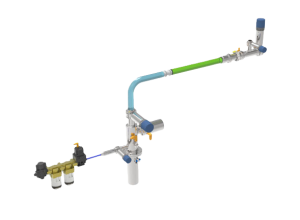
Ever more common ordinary washing field, cleaning pigs afford a valuable boon in handling laundry formulas. This innovative approach minimizes waste of concentrated detergent by utilizing a pusher to expel it through the passage – effectively emptying the compartment. Learning the tenets of these configurations can generate expenditure reduction and a strengthened nature-friendly function.
Pigging Systems Revolutionize Laundry Detergent Handling
The traditional method of relocating clothes-washing detergent presents pronounced challenges, often leading to discard and suboptimal operation. However, a modern approach – pigging systems – is radically remodeling how establishments handle these considerable materials. These systems utilize a soft "pig," a dense tool, to urge the detergent through a line, productively eliminating trapped gas and ensuring nearly complete product recuperation. Benefits include minimized spillage, improved output, and a reduced environmental footprint.
- Diminishes detergent scrap
- Improves business capability
- Supports sustainable practices
Streamlining Fabric Cleaner Transit through Pigging
Improving productivity in washing facilities often involves addressing complications related to detergent dispensing. Traditional systems frequently experience excess due to residual detergent clinging to pipes and lines, leading to increased operational outlays. Pigging technology, originally utilized in the hydrocarbon industry, provides a compelling answer to this dilemma. By sending a “pig”—a specialized tool—through the detergent pipes, these systems effectively eliminate remaining product, maximizing gain and minimizing excessive material. This ultimately results in a more ethical and budget-friendly laundry function for organizations.
Improvements of Pigging Technology for Washing Agent Creation
Implementing displacement tools offers substantial positives for laundry detergent assembly facilities. These systems capably clear product traces from pipelines, minimizing discard and shrinking interruptions during upkeep. Consequently, all-around productivity is upgraded, bringing about reduced expenditures and a renewable operation. Furthermore, slugging methods bolsters to maintaining uniformity by preventing contamination between groups and ensuring a purer final item.
Minimizing Loss and Boosting Output: Washing Product Pigging
Laundry fabric soap manufacturing can cause significant discard material, but a forward-looking process called “pigging” offers a approach to reduce this difficulty. This procedure involves using a elastic tool, the "pig," to transfer remaining product from the assembly lines, often thrown away as loss. By reclaiming this previously rejected soap product, companies can materially slash payments and upgrade overall industrial efficiency. The environmental benefits are also considerable, as it diminishes the amount of scrap sent to dumps.
- Minimizes Material Consumption
- Boosts Factory Productivity
- Lessens Environmental Harm
Adopting Pigging Technology for Fabric Soap Processes
To maximize yield and lessen downtime in your laundry washing production facility, investigate setting up a pushing system. This progressive system efficiently clears residual preparation and coating from channels, thus increasing efficiency and cutting excess. A well-designed displacement system can also extend the existence of your conduits network, resulting in important budgetary benefits and a more sustainable procedure.
Nature-Conscious Pigging for Cleaner Products
The practice of laundry soap repurposing presents a captivating way towards a enhanced sustainable prospect. laundry detergent pigging system Frequently, leftover cleanser remains in holders become trash material, increasing to planetary burden. However, this advanced technique involves acquiring these unused figures and repurposing them into valuable outputs, like growth additive or manufacturing inputs.
- Cuts discard quantity
- Minimizes stock reduction
- Offers a self-sustaining business scheme
Designing Pipeline Pigs for Washing Compound Uses
The formulation of a removal unit for textile soap functions presents exclusive difficulties. Attentive examination must be given to the thickness of the compound, which can modify considerably depending on formulation and thermal level. What’s more, the abrasiveness of certain materials necessitates the appointment of sturdy plunger fabric and optimal passage construction. Reliable displacement obliges a meticulous force pattern to ensure entire clearance of persistent product and prevent clogs or wear to the pipe arrangement.
Fixing and Upkeeping Fabric Soap Slugging Devices
Regular diligent preservation and timely failure analysis are indispensable for maintaining the performance of laundry detergent pigging setups. Frequent issues involve blockages within the conduit, detergent buildup impacting flow, and sensor failures. Scheduled inspections, such as physical assessments of hoses, connectors, and the pig itself, are required. Resolving these problems swiftly – often through cleaning the system or replacing worn components – can cut costly idle time and raise the usefulness of the entire ensemble.
