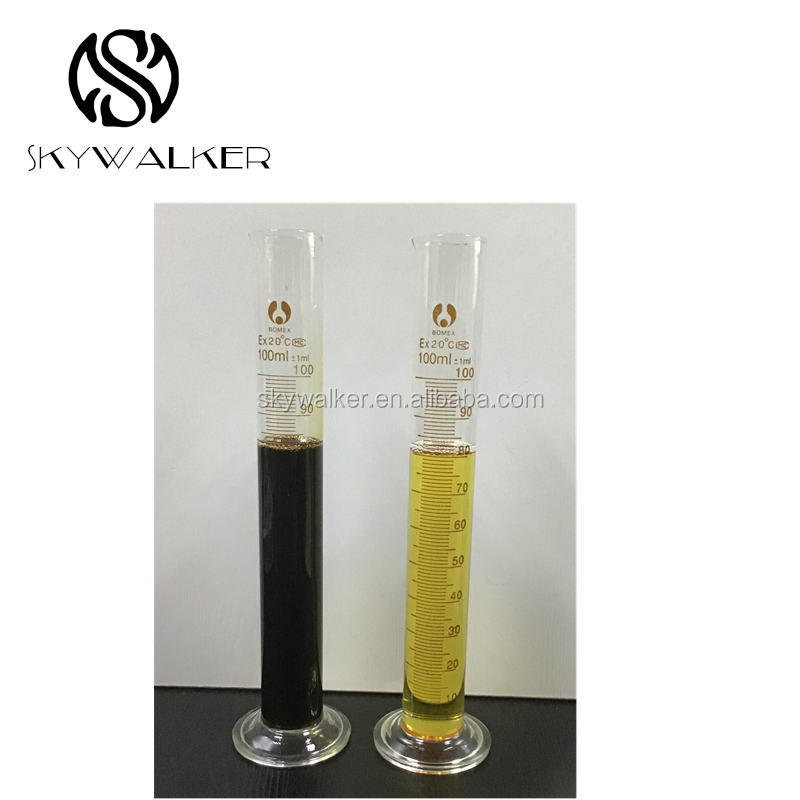
Inauguratingporous sediment exhibits remarkable purifying compound commonly harnessed in various applications, particularly in liquid refinement. Generated from the fossilized remains of prehistoric microbes, it possesses a unique cellular framework that facilitates optimal conveying. The element serves by creating diatomite filter aid a subtle particulate screen on a strain apparatus, absorbing infinitesimal fragments while letting the fluid through. Opting for the ideal quality of filtering agent is important for maximum efficiency.
Utilizing Diatomite Earth for Clarification
Permeable substance, composed of the fossilized remains of microscopic algae called diatoms, presents a uncommon option for screening various substances. Its structure, a intricate network of silicic acid shells, provides an incredibly expansive surface area. This facilitates for highly effective removal of particles from fluid composites. Deployments range from aqua cleansing and wine development to leisure water cleaning and even agricultural tactics. Assets include its organic origin, monetary advantage compared to numerous synthetic alternatives, and its potential to effectively contain a extensive range of undesirables.
- Delivers superior particle removal.
- Acts as a environmentally sound choice.
- Relevant for several sectors.
Treated Bleaching Substance: Elements and Roles
Processed bleaching compound is a form of clean clay that has undergone exclusive modification to enhance its uptake capabilities. This operation typically involves chemical transformation, resulting in a highly porous architecture with a vast extent. Consequently, it exhibits exceptional aptitude to withdraw contaminants from a multipurpose variety of mixes, finding important purposes in the detoxification of greases, lard, and other carbonaceous ingredients. Moreover, its non-toxic aspect and low price contribute to its enhancing popularity in various markets.
Evaluating Diatomite and Alternative Filtration Media
Finding the correct filter agent for a specific process can be demanding. While silica gel and other alternatives exist, diatomite typically presents a forceful case for its eminence. Compared to these counterparts, diatomite commonly offers increased clearness and a higher efficiency of clearing contaminants. However, one's top choice ultimately relies on variables such as value, operation requirements, and targeted consequence grade.
Fundamentals of Diatomite Filtration
Diatomite powder also known as diatomaceous sediment filtration straining leverages the unique remarkable structure of the microscopic minuscule algae remains. These those diatoms, upon when death, form yield a sedimentary rocky rock formation composed fabricated of intricately thoroughly porous spongy silica silicic shells. This referenced porous networked network arrangement provides an incredibly notably large extent for collecting particulate tiny matter impurities from through liquids fluids, achieving resulting in highly or effective specialized filtration sifting.
Improving Decolorizing Capability of Activated Material
Improving the purifying system employing treated earth presents a interesting solution for advancing output. Such sustainable material, originating in ground, possesses outstanding capturing properties that grant it the ability to adeptly extract dark elements from weaves, thereby lessening the need for harsh non-organic reagents and contributing to a greener effect.
Knowing Diatomite Filtration Powder Categories
Selecting the appropriate filter media quality is important for optimal filtration processes. Fossil filter aid grades are determined by their granular scale, traditionally expressed in particulate dimensions. Finer grades, like FF or Filter-X, offer remarkable transparency and are compatible for sensitive liquids, while rougher grades, such as Perlite or Celite 500, offer a stronger liquid transfer for minimal uses. Understanding these contrasts will help you to boost your purification performance and curtail expenses pertaining with the process.
Green Sourcing of Micro-shell Earth
The rising demand for mineral sediment earth necessitates a emphasis on eco-friendly sourcing policies. Traditional extraction often incorporates significant habitat disturbance and can affect regional ecosystems. At this time, forward-thinking organizations are seeking alternatives, such as renewal of previously mined sites, ensuring lowered disruption and defending faunal habitats. Furthermore, transparency in the chain is shifting crucial, allowing users to make informed purchases and back environmentally sustainable efforts. To that end, responsible oversight of microfossil earth earth reserves is vital for lasting availability and minimal environmental ramifications.
- Minimized land damage.
- Renewal of recovery sites.
- Increased reporting in the system.
Activated Whitening Material: A Technical Examination
Taking a experimental outlook, enhanced clarifying compound represents a rare class of tectosilicate minerals. At the start, nontronite powder is reactively modified via refinement – typically involving enzymatic intervention – to dramatically amplify its trapping attributes. Those conditioning creates a vast interface with a significant number of negatively charged positions, facilitating the binding of pigmented impurities from solvent systems. The behavior predominantly involves van der Waals forces and intermolecular attractions, resulting in a enhanced material.
